
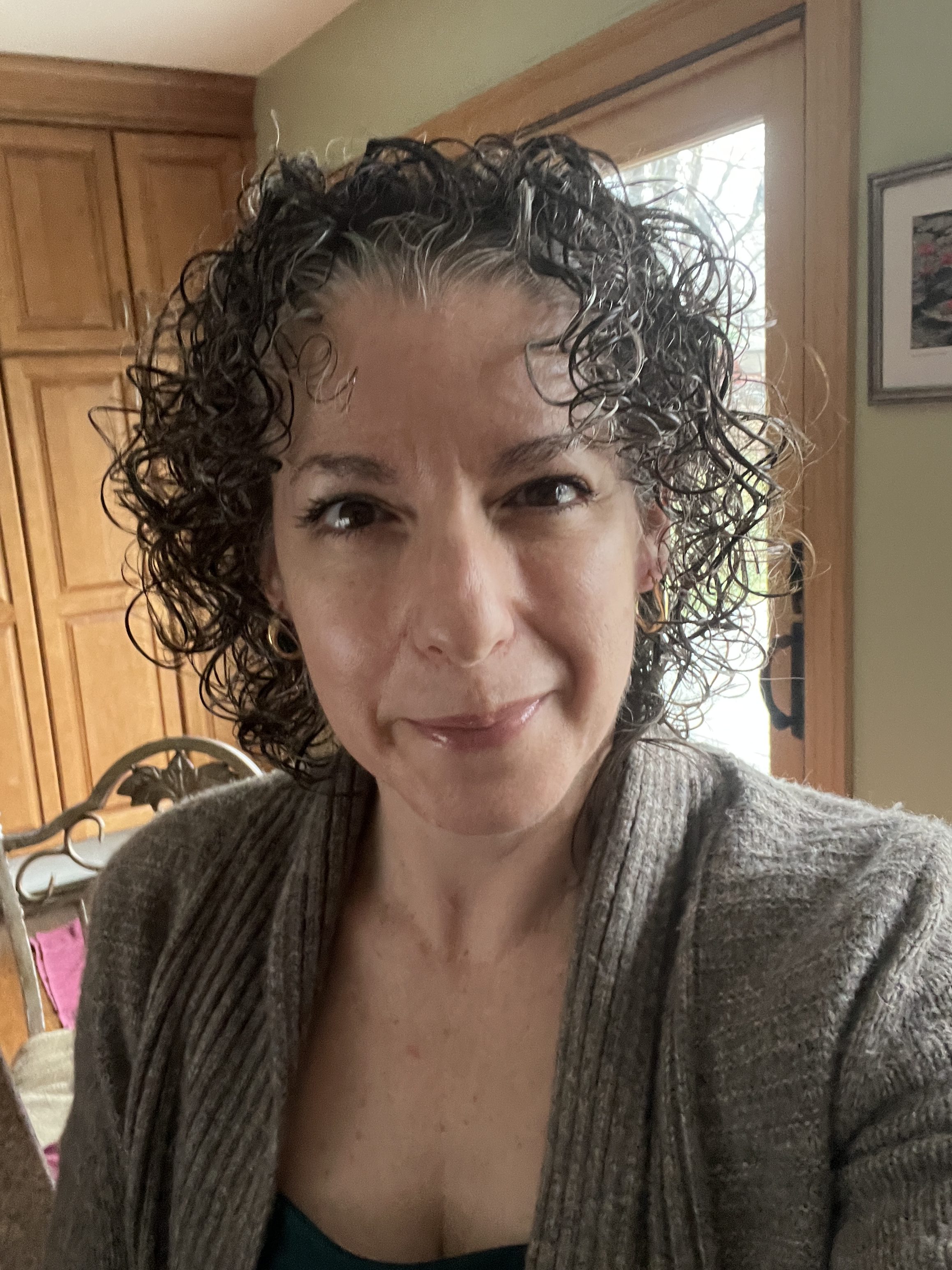
Our menopause transition is not our mother’s. Today, we have many more options to optimize our health from the moment our estrogen starts to drop. This is about the choices I’ve made to maximize my life experience.
I’m always reading and looking at the social media of the doctors in the Menoposse. I’ve written about them in many of my past posts. Dr. Mary Claire Haver has risen as the fearless leader of the progress movement, and there are many more doctors who are joining the fray every day. Their goal is to support women to optimize and improve our menopause transition outcomes.

Right now, I’m reading Unbreakable by Dr. Vonda Wright, another leader of the Menoposse. She’s an orthopedic surgeon and longevity specialist.
This book focuses on how to get ahead of the ticking time bombs that await us as we enter the menopause transition. She presents (in great detail) a road map to taking charge of our physical well being, based on the latest science.
One passage that particularly resonated with me:
This is the heart and soul of this book: pivoting from a mindset of grieving the past to harnessing the wisdom of our age and the new action-what’s-next stance, you can assume control of your journey and opt for strategies that mitigate the challenges of hormonal shifts and also harness the wisdom and experience we’ve gained over the years. This period should be seen as a launching point for renewed purpose and vitality, making it possible for you to thrive in your personal and professional lives.
It’s like she wrote this for me.
Of course, most of what she presents resonates with me. I’m right at that age where things can go downhill quickly. I’m an active 50-something who, when I entered this new decade, felt that slide as I tumbled head over heels into what felt like an abyss.
Fortunately, around the same time I was feeling and starting to define my own perimenopausal symptoms, the messaging from the doctors of the Menoposse started to cross my path. They helped me to find the missing pieces of my own healthcare puzzle. And honestly, once I found them, they were easy to fit into my life.
Why is it important to share this personal stuff?
Why? Because all our lives, we have heard the phrase: It’s part of being a woman.
I know how reticent women are to trust their own experience. We are taught to “suck it up and deal” since the time of our first menstrual cycle. We endure a long reproductive cycle with varying degrees of pain and interruption to our lives. We are built to endure pregnancy and childbirth. So far, that’s the only way new people can come into the world. And, we are expected to just deal with it all because that’s what our biology dictates.
Then, when our reproductive years come to an end, we still have many more decades of life. The estrogen that powers our reproductive systems falls precipitously off a cliff. We start to become unrecognizable to ourselves. We start to feel like however much time we have left is destined for “suck it up and deal.”
No thank you. These are the years that we actually have some degree of control over. I want that to be the greatest part of being a woman: to take charge and make the health and wellness decisions that best suit me.
Women taking charge of their health
For most women, the questions always remain: How do I do take control? Where do I start? What are my options? Who can I trust?
When women are in charge of their health, and are empowered to thrive physically and mentally, their experience and that of everyone around them improves. Whether the manosphere wants to admit it or not, women are a powerful force in this world. And somehow, so many women are completely unaware of the myriad options that exist that can help them maneuver the lingering end to our reproductive years.
Sometimes it’s lack of education. Sometimes it’s social media misinformation or political influence. Sometimes it’s our trusted doctors who have not been keeping up with science. It’s hard to know who to trust when we start asking the questions.
None of that is acceptable. Period.
As I sought and found my own answers to the questions, I kept thinking how every woman in the world should have access to the paths of knowledge to find out the best options for themselves. I found out from numerous sources that were all saying the same thing:
- Female hormones are the key to female health
- It’s important to lift heavy things
- There are are important non-negotiables we must include in our daily lives.
Among other things.
All of these sources are backed by scientific research that has debunked decades of misinformation from what should have been a trusted source. (Hint: the misinterpretation of the WHI results.) It took a bunch of female doctors, all going through the same transition and saying “what the fuck is happening to me?” to finally start the evolution of the adult female life experience.
Before I share my personal formula, I would encourage all women to consult with their own doctors first. For me, it was a pastiche of guidance from my doctors and medical professionals, online health resources (like Alloy Health), and social media docs who bring up-to-date information with receipts. I cross-checked information when I could to make sure I could trust it.
I don’t believe women’s healthcare is one-size-fits all. What’s good for me may not be good for everyone else. That said, there are tools and tested strategies that more women can easily access now and should absolutely know about.
Time to share
At the risk of sharing too much (I’ve probably already done that anyway in past posts), I wanted to offer the things that have made my existence work much better for me. It doesn’t mean my life is unicorn and rainbows perfect, but my life experience is a whole lot brighter since I’ve incorporated a few specific things.
The following things have become my non-negotiables:
1. Hormone Therapy
I know there’s a lot of distrust and fear surrounding “Big Pharma.” Honestly, I think there’s a lot of fear-mongering without any real backup. The fear that plagued a generation women when the WHI results were released turned out to be completely unfounded. The deliberate misinterpretation of the data set women’s health back for decades. Read the book Estrogen Matters for those details.
After doing my research, I added three pharmaceuticals to my routine:
- Evamist (estradiol spray)
- Progesterone (oral)
- Facial and Vaginal Estrogen topical creams
These prescriptions were the catalyst for a massive shift in my well-being. Like so many of my peers, I was getting hit hard with the brain fog, joint pain, weight gain with no change in activity or nutrition, general malaise for “no reason”, increasingly poor sleep, night sweats, “unexplained” nausea and dizziness, and then some.
The results
A few weeks after I started the transdermal estrogen, I noticed a marked change in how I felt. All of the symptoms started to melt away. Literally. It wasn’t an overnight change, but my head became clearer and the nausea or dizziness stopped. Two to three sprays on my inner arm in the morning, let dry, and live my life.
I’d call the change a miracle, but really, it was just replacing the thing that my body needed to thrive. Just like levothyroxine replaces the thyroid hormone that my body can’t make. Without it, a cascade of problems start to set in.
A few months later, I started taking progesterone at night. This is only for women with a uterus. It prevents endometrial issues by balancing the estrogen and keeping the uterine lining thin. Bonus: it has a slight sedative effect, which helps contribute to better sleep at night.
The creams were an extra added bonus. On the face, estriol helps improve collagen production to stay ahead of the sagginess and little wrinkles. Vaginally, estradiol helps prevent UTIs, dryness/itchiness, and a bunch of other improvements. I’ll let you research that on your own.
The good thing about the creams is that they don’t enter the bloodstream. So, even the few people with medical reasons why they can’t take the oral or transdermal varieties of estradiol can still benefit from the topical creams.
By the way, you don’t have to take my word on that. You can look up docs like Mary Claire Haver (board certified ob/gyn) and Kelly Casperson (urologist) for the medical backup.
2. Weight Management
For years, I had been struggling with the upwards weight creep associated with the menopause transition. It was slow but steady, and anytime I got ahead of it, it always caught up to me. I started seeing my nutritionist in 2018, to figure out what I could do to improve in my nutrition habits. I had ups and downs, like most people do when they’re trying to get a handle on the biological changes that plague them.
Fortunately, at a yearly endocrinologist visit, I asked about the GLP-1 drugs. My husband had been taking it and had good success with it. Because my BMI was well into the overweight category and my cholesterol was slightly high, I qualified for insurance to cover the drug.
The results
I started Zepbound (tirzepatide), and had slow, steady progress. Seven months in, I’d lost the 20 pounds I sought to lose, and I’m holding steady on a low dose. My cholesterol and lipid numbers have improved immensely.
My nutritionist is very happy and is making sure I’m still supporting my activity with enough protein, fiber and water. My body is also very happy, since I’m carrying around twenty less pounds. My gymnastics efforts have improved as well. As for all of the jeans that were once too tight, I’m constantly pulling them up now. Time to go shopping I suppose.
Read the My Weight Loss Journey series for more details of the whole story.
3. Supplements
I don’t love popping too many pills, but these are the supplements that I take to make sure the essentials are covered.
- A women’s 50+ multivitamin
- Vitamin D and Iron: those blood levels are always low without the help
- Docusate sodium: to make sure the pipes flow smoothly, especially with the GLP-1
- Dr. Haver’s Sleep supplement (with melatonin, magnesium and L-theanine)
- Creatine and Collagen Peptides in my morning protein shake: for brain, muscle and joint support.
4. Sleep
Now that I have the hormonal and supplement formula to help me sleep better, I make sure I’m shutting things down around 10 p.m. My sleep cycle is very important to me. Interrupting it makes for a much more difficult waking existence. And since I like to perform at a high level and I get up at 5:30 a.m. for work, I need the physical and mental recovery that a good night of sleep offers. A sleep mask also helps.
5. Activity
If you’ve been following my blog or my social media, you know that I’m an active chick. I’m an adult gymnast, a dance and theater teacher, I like to lift heavy things, and I’m constantly moving around. It’s part of who I am and I want that always to be the case. I feel best when I feel strong and mobile. Everything listed above has helped me maintain a high level of movement activity.
Yes, I get injured sometimes, and I recover. Yes, things hurt sometimes. But I’d rather do it my way than sit on my ass and wish I was doing these things. In this life, I want no regrets.
The bottom line
As the countdown clock to retirement ticks on, I continue to adjust my health habits to optimize my life experience. My goal is to start a new chapter, perhaps build a new career, and enjoy the next act with my husband, who has also been making his own health improvements. For me, retirement will not be about wasting away. It will be an opportunity for more epiphanic growth.
And hopefully, a midlife woman who is reading this will be inspired to dig a little deeper and know that she has the power to level up her life experience.
Read Reflecting on My Peri Journey for more perspective and resources that have helped me level up!


What did you think?