

Healing from Achilles tendon repair surgery is no fun. But, it is manageable. In this post, I’m sharing the best practices that help me stay centered and keep my progress moving forward.
Recovering from an Achilles tendon injury is a long, arduous journey. In my last post, Achilles Tendon Recovery: Five Weeks Post-Op Progress, I shared a few “pro tips.” They serve as a North Star as I hobble through each day of my recovery. To recap:
Pro tip #1: Stay within the limits.
Pro tip #2: Work my “good” side just as much as the injured side.
Pro tip #3: Maintain the quality of my nutrition and sleep habits.
Perhaps you or someone you know is managing an injury like mine. If you are just starting your healing process, I have some more advice to offer. Some things are common sense, but they bear stating aloud. Keeping them in the forefront of my mind has really helped me stay focused over the last five weeks.
The following expounds further on the three pro tips above.
Best Practices for a Solid Healing Journey
1. Know and respect the limits
As you progress, you’ll be tempted to push farther than the recommendations given by your doctor or physical therapist. You’ll start to feel better, less pain, and stronger with time. With Achilles tendon injury in particular, loading the stretched tendon too much too soon is a dangerous game. You risk re-rupture and potentially poorer outcomes.
As you approach your rehabilitation, pay very close attention to the protocols and timeline that are set. There are several protocols like this available on the internet and they all say similar things. I keep this one open on my computer at all times. Since I’ve been ahead of the curve, I refer to it when I’m looking for a shot of reality.
REMEMBER!! Ask your medical team questions and understand why they recommend certain exercises and not others. Only advance to the next step if you are truly ready for it. Your medical professionals will guide you, even if their approach is more conservative than you want.
2. Follow the principle of progression
In fitness, we follow the principle of progression. That means our bodies respond and adapt to the demands we put on them each day. By adding more challenge slowly, the body can safely build strength, mobility, agility and power.
When you are in physical therapy, it’s so important to continue to replicate the exercises at home. Doing the work once or twice a week is not enough. When you are trying to restore normal function, it has to be a daily practice. Even a lesser intensity version is good. This is especially true if you are trying to restore athletic function.
REMEMBER!! The more we normalize each new step in our healing, the more our body becomes ready for more.
3. Never underestimate the importance of rest
Yes, I’m working hard. Yes, I’m on my feet a lot. But I’m also making sure I take time to stop, put the foot up and chill out. At work, I make sure I sit whenever I can, take off the boot, move my stiff ankle, and relax.
My regular nightly practice has shifted considerably since the injury happened. Now, I go upstairs earlier than usual. Setting myself up for a good night’s sleep has been essential to healing. I talk more about my injury sleep routine in Achilles Tendon Surgery: Four Weeks Post-Op Progress.
Wherever I am, I find time to quietly deep massage my leg and keep it elevated. That helps to help improve circulation and discourage the formation of adhesions (scar tissue buildup). Building in restorative moments throughout the day go a long way towards healing.
REMEMBER!! Sleep is when our body does a lot of healing. Get as much as you can.
4. Maintain adequate nutrition and hydration
This is huge. We can’t heal properly if we don’t fuel our bodies with what it needs to repair itself. I’ve written a lot about nutrition in My Weight Loss Journey posts, particularly from a perimenopausal perspective.
As we age, our nutrient needs change. We need much more protein, fiber and water than we actually get. When we are healing from injury, it can be even more difficult to focus on getting the right balance. Sometimes, we’re lucky if we get regular meals in.
The best we can do is lean on our family, friends and delivery services. Sometimes, help is required to make sure the nutrients we need are at the ready.
Stay hydrated
When you first get injured, you aren’t as mobile. Keep a water bottle in every room and plan to visit the bathroom often.
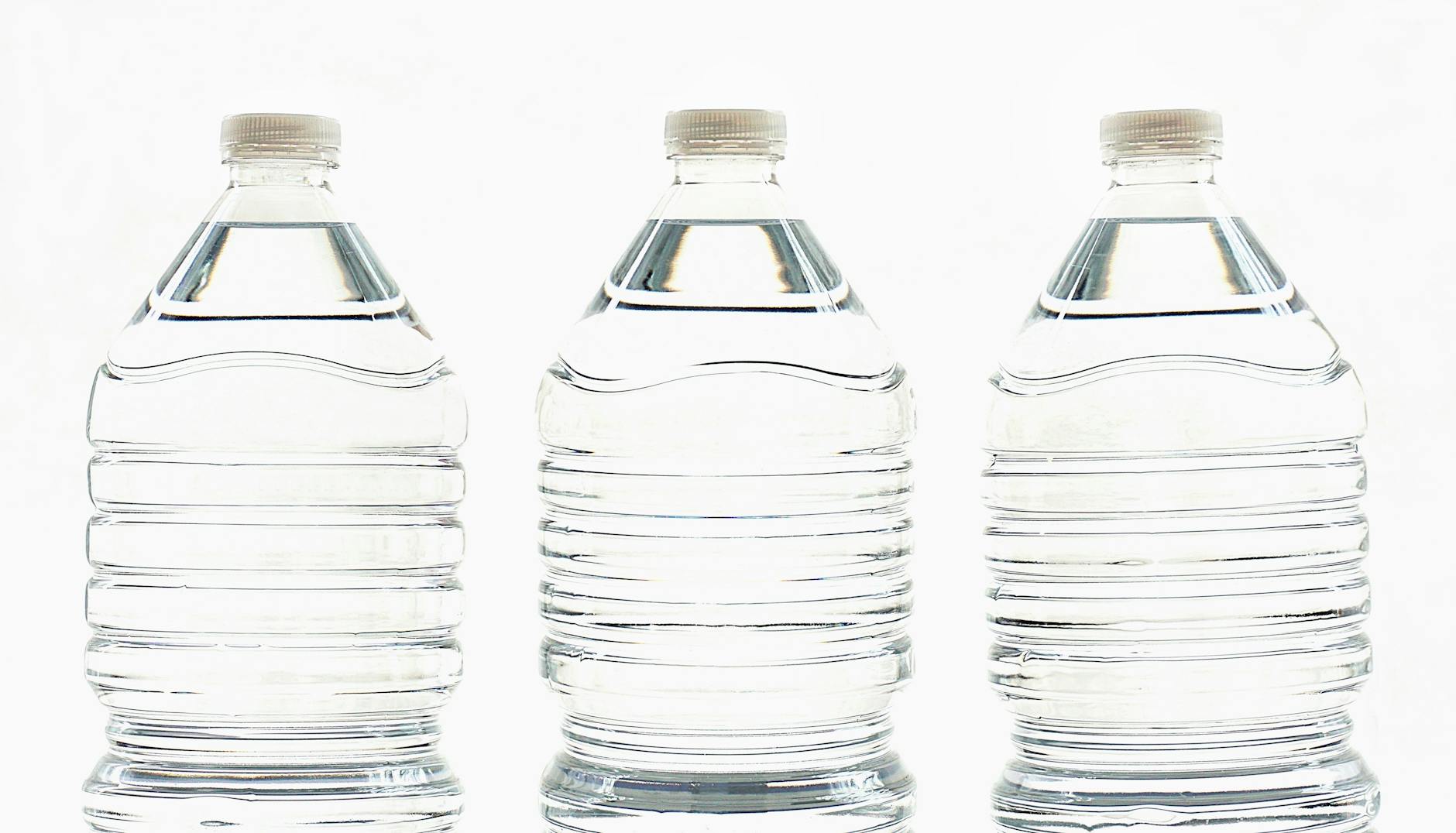
You still need to keep up your H2O intake while recovering. It may be annoying to make that many trips to the loo. But, it will give you an opportunity to get up and circulate the blood, even if you’re on crutches.
Eat your protein
Protein repairs our body’s tissues and provides long-lasting energy.

There are lots of high-protein options in the stores now: Yogurts, shakes, rotisserie chicken, nuts and bars. The list goes on. Read Building Muscle Mass in Perimenopause for more detailed information that I’ve gathered. With Achilles tendon repair, that protein helps facilitate healing. Specifically, protein rebuilds collagen, which is what makes up the structure and strength of tendons.
If you want to get into the scientific weeds about protein and collagen, check out this article from PubMed Central. I’m working on a future post about collagen.
Eat your fiber
The best fiber comes from a combination of fruit/berries, raw veggies, psyllium powder (for shakes), legumes, seeds and oatmeal.

Fiber keeps our digestive tract running smoothly, keeps cholesterol in check and keeps us full. I share much more about fiber in Weight-Loss part 7: Talking About Fiber.
After surgery, your digestive system doesn’t function as well as usual. Between strong pain medication and long periods of inactivity, your gut slows down and can get blocked up. Focusing on fiber helps get you back on track.
Have grab-and-go options
Make a list of good foods you like and have someone help you fill your fridge and pantry.

It’s so hard to eat normally when you are laid up. If one foot just doesn’t work, standing and cooking a meal is a no-go. I made sure there were easy things to throw together that I liked and had nutritional value.
For example, peanut butter and Dave’s Killer Bread for quick sandwiches. Rice and beans in serving size containers. Instant high protein oatmeal. A fruit bowl and cut veggies on the fridge shelf. The faster and easier things are to prepare, the more likely we are to consume the nutrients our body needs to heal.
Minimize extra sugar
Go easy on added sugars.
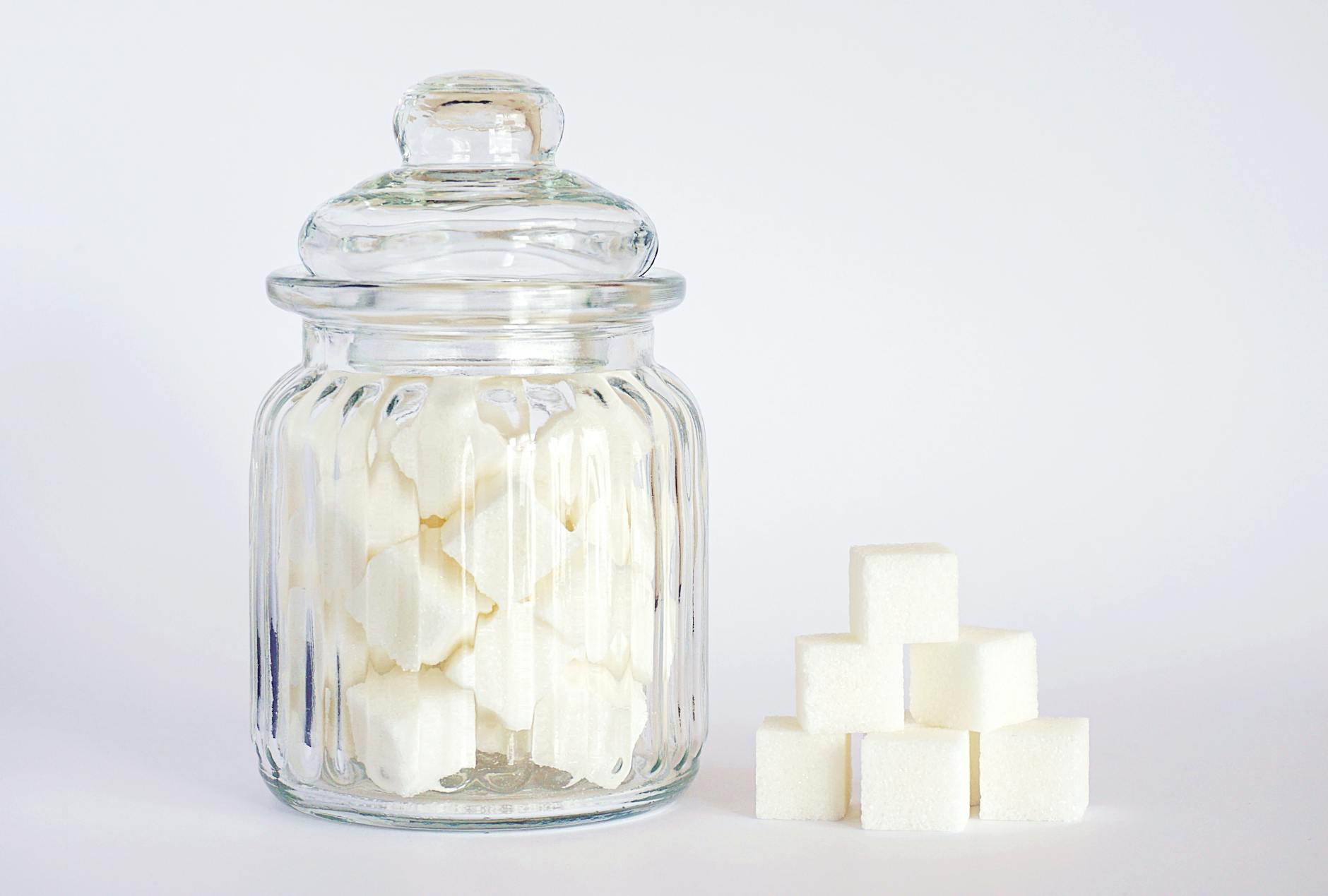
When we are injured and out of commission, we want to be nicer to ourselves. (We deserve at least that.) Often, that translates into eating more food. We also don’t move as much, so we’re burning less than usual. Try not to give yourself too much license to over-indulge because you aren’t feeling great. That will backfire in other ways and becomes a slippery slope.
REMEMBER!! Make sure you get your nutrients first, then enjoy a little treat if you need one. Your future self with thank you.
Recovering from injuries is really hard, physically and mentally. What you must remember is that healing looks different, depending on the individual. Some heal faster than others. Some have complications that affect the timeline of healing. Yes, for Achilles tendon repairs, there are specific protocols out there. How and when each milestone happens is always dependent upon the individual going through them.
In your recovery, you can set yourself up for success.
- Understand the limits
- Follow the principle of progression
- Get plenty of rest, nutrition and hydration
Following these guidelines, you’ll have a solid foundation to build your recovery upon.
I remind myself every day that Achilles tendon recovery is a very long-term process. In each physical therapy session, I move forward and it often surprises me. My progress has been great, and I never take for granted the severity of this injury. As I do the work each day, patience is at the forefront of my mind.
Here are some other articles from my Achilles tendon repair series that might be helpful:
Sometimes You Break Yourself…Again
Pre-op Hell and Surgery Heaven
Navigating Post-Surgery: Tips for First Day Recovery
Achilles Tendon Recovery: From Cast to Boot
Managing Risk as a Geriatric Gymnast
Overcoming Achilles Injury: My Return to the Gym
Achilles Tendon Surgery: Healing With Apolla Performance Socks
Achilles Tendon Surgery: Four Weeks Post-Op Progress
Achilles Tendon Recovery: Five Weeks Post-Op Progress
Thanks for continuing to follow this journey. I’ll continue to keep you up to date as I move through each week. Subscribe (for free!) to get automatic updates whenever I post a new article.
RESOURCES:
Adhesions, General and After Surgery, WebMD

 Stacey's Headspace
Stacey:
Very informative. I, too, made sure to work both legs on my way to
healing after my injury. Now that I finished PT, I still do the home
exercises as often as I can.
Iris
LikeLiked by 1 person