

Gymnastics is not just for kids anymore. This is a story of a recent encounter I had with a fellow writer, athlete and coach who is doing a deep dive into the expanding realm of adult gymnastics.
I recently made a new flippy friend! Out of the blue, I got an email that caught my attention. It was from Kelly Jones, a gymnastics coach from Virginia and a journalist working on a story about the rise of adult gymnastics in the last decade. She was looking to have a chat about my backstory, training and “Geriatric Gymnastics.”
A chance to talk about my Geriatric Gymnastics journey? Sign me up!!
Becoming “the Geriatric Gymnast”
First, I wanted to share how the name “the Geriatric Gymnast” come to be. Almost two years ago, I was trying to come up with a new hashtag to post with my gymnastics videos. For a long time, I used #sisterswithsimonebiles, because she inspired me so much on her journey of becoming the GOAT. With each new birthday, I’d use #thisis(add a number), which seems to be fairly ubiquitous amongst the middle-aged set. I was looking for something that I could refer to myself as, something quick, quippy and memorable.
Of course, I am not the only adult gymnast out there, and certainly not the oldest, but as I trained, my body often felt it’s age. And thinking about gymnastics culture, where a 19-year old elite athlete was easily put out to pasture 10 years ago, I thought, “what does that make me?” Utterly geriatric, in the realm of flippers. And so, “the Geriatric Gymnast” was born.
Of course now, there are many people out there who fit that description, and over the past few years, I have discovered, through social media, just how many there are. That’s why I was so intrigued by the random email from Kelly. Someone else, perhaps more official and with more reach than I have, was doing a deep dive into the growing adult gymnastics culture. Being included in that research was really exciting to me.
Our chat
I was both giddy and nervous about the call. I was afraid I’d get a little imposter syndrome-ish. Since I started so late in life (more on that in a minute), I’ve never fully embraced my “adult athlete” status. Like so many things in my life, my creative nature has sort of carved out a place in the gymnastics world, one flip at a time. No matter how many positive messages I get or comments on how inspiring my gym content is, there is that niggling feeling of unworthiness that just won’t go away.
Listen to my meditation podcast all about imposter syndrome. I've written many articles about it, including The Power of Yet.
Fortunately, Kelly couldn’t have been kinder or more gracious to me. Once I saw her face on the Zoom, we both smiled, knowing that this conversation would bring us both a great deal of joy. A new flippy friendship was born!
Our conversation covered a vast array of gymnastics then and now. We talked all about how the culture of gymnastics has changed over the past decade or so. How Simone and the current group of Olympians have raised the bar as well as the age of the average gymnast. How, since the Nassar debacle, gymnasts have not only broken their silence regarding abusive training but have empowered a massive culture shift in the sport. How mental and physical health is now paramount in training and competition, a massive shift from the Karolyi elite days.
This introduction led us down the more personal path: how shift in elite gymnastics seems to have engendered another interesting side effect. GenXers and Millenials have become empowered to engage in gymnastics training, not only as a fitness activity, but as something that bolsters every aspect of our lifestyle. Adults are now participating in gymnastics on both the recreational and competitive levels, and are very much seen on the social media pages. This is part of what Kelly seems to be exploring and I couldn’t have been happier to participate in the discussion.
A GenXer’s flipping origin story
Then…
Before I started 16 years ago (at 36), I was super curious about gymnastics. I’d always loved watching the Olympics, how these superheroes seemed to flip and fly in ways that were impossible, yet they made it seem easy. At that time, I had two small children, and I brought them to the local gymnastics place to start classes for my older daughter. As I sat in the parent area with my 2-year old, I watched all the kids bouncing, inverting and having such a good time. There was something in me that was almost desperate to jump on the trampoline.
After several weeks, I asked the owner if he taught adults. He did, and he’d let me know when an adult class would start. The next January, I tried my first adult class. I don’t remember much, but I do know that the feeling of doing something that “only kids did” lit a fire in my soul. I had zero skills and had no idea what I was doing, but I was a dancer, a good student, and was willing to try. I was also strong, somewhat flexible, and very determined. Discovering this “adult cult” of women who took me under their wing, ushered me into their community of adult gymnastics. More of that story is here.
…and now
A decade and a half later, I’m still flipping. Most of the adults from the original cult have moved away or stopped flipping altogether. A few, like my friends Tammy, Debby and Michael, I have had the good fortune of training with to this day. Debby owns Flipper’s Gymnastics, where we all now train and coach. I learn new things all the time there, which makes me feel like a kid: curious, vibrant, and alive.
Tammy and I doing flippy fun stuff. (No Geriatric Gymnast was hurt in these attempts.)
Flipping for my 50th birthday, featuring coach Michael. 😀
Paying it forward through coaching
About two years ago, I moved into the adult coaching realm, where I get to share my adult-learning perspective with others who are either coming back to the sport or trying it for the very first time. It gives me the opportunity to pay forward the wisdom I received from my adult cult mentors, and teach newcomers how to approach this “activity for kids” with grown-up bodies and brains.
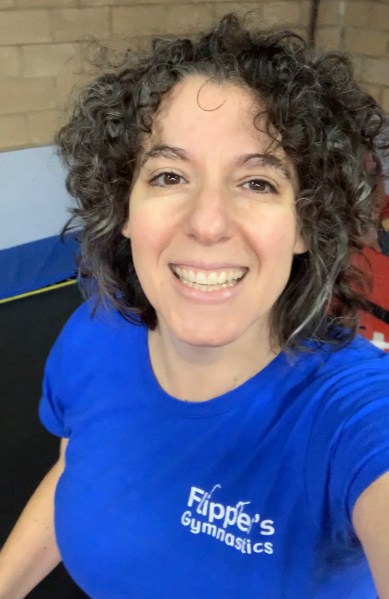
Happy me in my blue Flipper’s Gymnastics staff shirt when I first started coaching.
While the imposter syndrome looms, I am confident in the things I have learned in these last 16 years. There are certain fundamentals that surface in every single gymnastics session. These are the enduring concepts and skills that help me teach safe, consistent gymnastics practice for adults.
Being an adult gymnast, I have lived every moment of fear that my students feel. I have gained and lost skills and have had to process the feelings of success and failure in real time. I can recognize technique issues and how to problem solve them. I think this is why I am a good coach for adults. I get it. All of it.
Also, my primary concern is keeping adults safe from injury so they come back again to continue the fun.
Those pesky injuries
Of course, I’ve sustained my fair share of injuries over the years: twisted ankles, fractured ring finger and foot, bruised shin, rotator cuff, hip, back—you name it, I’ve injured it. While any one of those injuries could have easily made me lose my resolve and quit (you’re too old anyway), the opposite happened. These incidences made me work smarter after I healed from each one.
How GenX deals with injury
The idea of being put out to pasture doesn’t sit well with me. It doesn’t sit well with any member of GenX. We are the vibrant, feral, highly independent, absolutely stubborn generation now square in the menopausal, mid-life transition. We don’t suffer fools and don’t answer to anyone but ourselves.
Telling us we can’t do something is a fool’s game; we’ll just do it anyway.
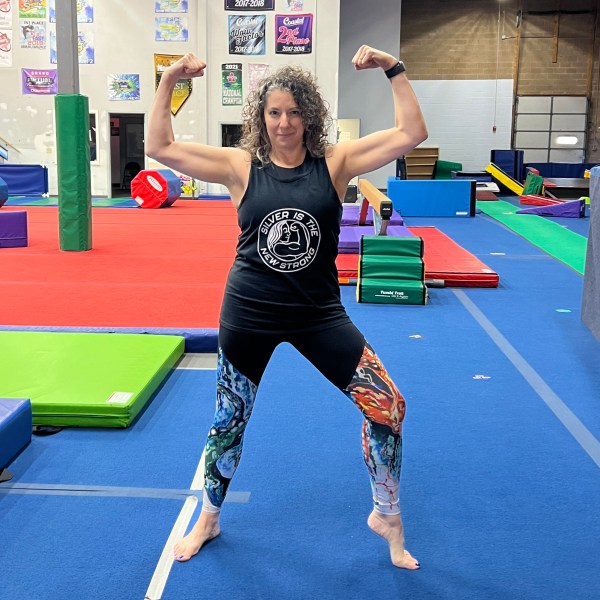
So, each injury, particularly the last one, furthered my resolve to come back stronger and wiser.
I think what fuels this stubborn streak for me is that I know that the body has great capacity for healing itself. I’ve experienced it many times. I also know that being older means the process takes longer, but I’ve been through physical therapy a few times, and I know that when you do the work and rest properly, the pain can subside.
An injury doesn’t have to mean an end to vibrancy.
Managing Mr. Lizard
The injuries do mean that moving forward will forever be a mental game of chess.
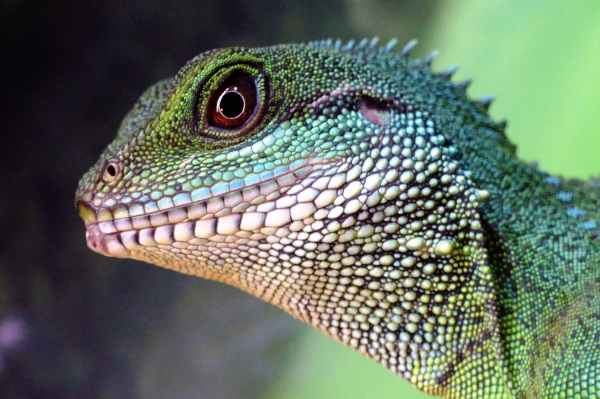
Every injury feeds Mr. Lizard, that protective place in the brain stem that injects fear straight into your heart.
It’s the place that we must carefully negotiate with so we don’t cause ourselves undue harm as we try to move forward.
That’s one of the reasons why it takes so long for adults to have major skill breakthroughs. We spend so much time managing fear that once we actually allow ourselves to take a leap, it doesn’t mean we have that skill forever. Oh no. Sometimes, it’s just a fluke.
Case in point, the back hip circle is a skill I’ve gained and lost and am working to gain consistently again. The video below demonstrates the frustration.
My old coach used to say, “once is luck, twice is coincidence, three times is skill.” Well, when you’re an adult, Mr. Lizard can muck things right up. You can get something three times (or ten times), but if the stars don’t align each time, you can easily go back to square one, trying once again for luck.
Progress isn’t linear
This is the phrase that always brings me back to the gym. No matter how badly a gym session goes (honestly, even a bad gymnastics session is still a pretty good day), I always know there will be another. I will get a shot at redemption if I missed a skill. I can work on better mobility if I’m feeling my shoulder. There’s always something I can work on.
Heck, I came to the gym in a broken-foot boot, just to do some upper body and core work.

I look at progress from a 10,000-foot perspective. It’s a continuum, like the stock market. It fluctuates, but if the long-term trajectory is going up, I’m in good shape. The back hip circle video is an excellent example of that.
Bottom line, I’m in this for the long-haul.
Waiting with bated breath
I think Kelly and I could have talked for hours, but we kept it to the 40-minute Zoom limit. We shared stories and perspectives as gymnasts and coaches. Even though the imposter syndrome was floating under the surface, I was able to keep it at bay because I know I have put the work and time into gymnastics. While my experience doesn’t exactly mirror the “normal” pattern of flipping as a kid, dropping it in college, then picking it back up later in life, it’s my journey, and I’m really proud of my accomplishments so far.
I’m so excited to see what perspectives Kelly will bring to her article. Hopefully the powers that be will make her vision a reality. And if not, at least I’ve made a new adult flippy friend!
Nothing makes me happier than to see adults flourish in arenas that were previously relegated to younger people. Every time we publish something, whether it be our videos on social media, blog posts or other articles, we invite someone else to explore their childhood fantasies and make it a grown-up reality. After all, adults like to play too; why not do it on a giant, padded, bouncy obstacle course?
Read Gymnastics and Play for more perspective on that. 😀🤸♀️
You can see my videos at the links below. Do all of the things: like, follow, subscribe, comment, etc. I love hearing from people who share similar experiences!
YouTube Channel: The Geriatric Gymnast
Instagram: @staceywritesandflips
TikTok: @staceytirro
Geriatric Gymnastics Website: staceytirro.com

 Stacey's Headspace
Enjoyed it as usual.
LikeLiked by 1 person