Back in 2022, I wrote an article called Keeping the Bones Strong, which was an overview of the science behind bone building and how gymnastics activities really helps achieve strong bones. This article tracks my recent DEXA scan and looks at the strategies I’ve been using to maintain strong bones.
I’ve spent the better part of my adult life focused on optimizing my health and fitness choices. I’ve always been active: I lift heavy things, hike and do all that crazy flipping stuff at the gym (read more about that in An Overview of Geriatric Gymnastics). I see a nutritionist regularly and monitor my food choices daily. I am mindful of my sleep hygiene and aim for seven hours a night. Despite that fact, my brain has been seeking some proof that my life choices are actually achieving some of the optimal outcomes.
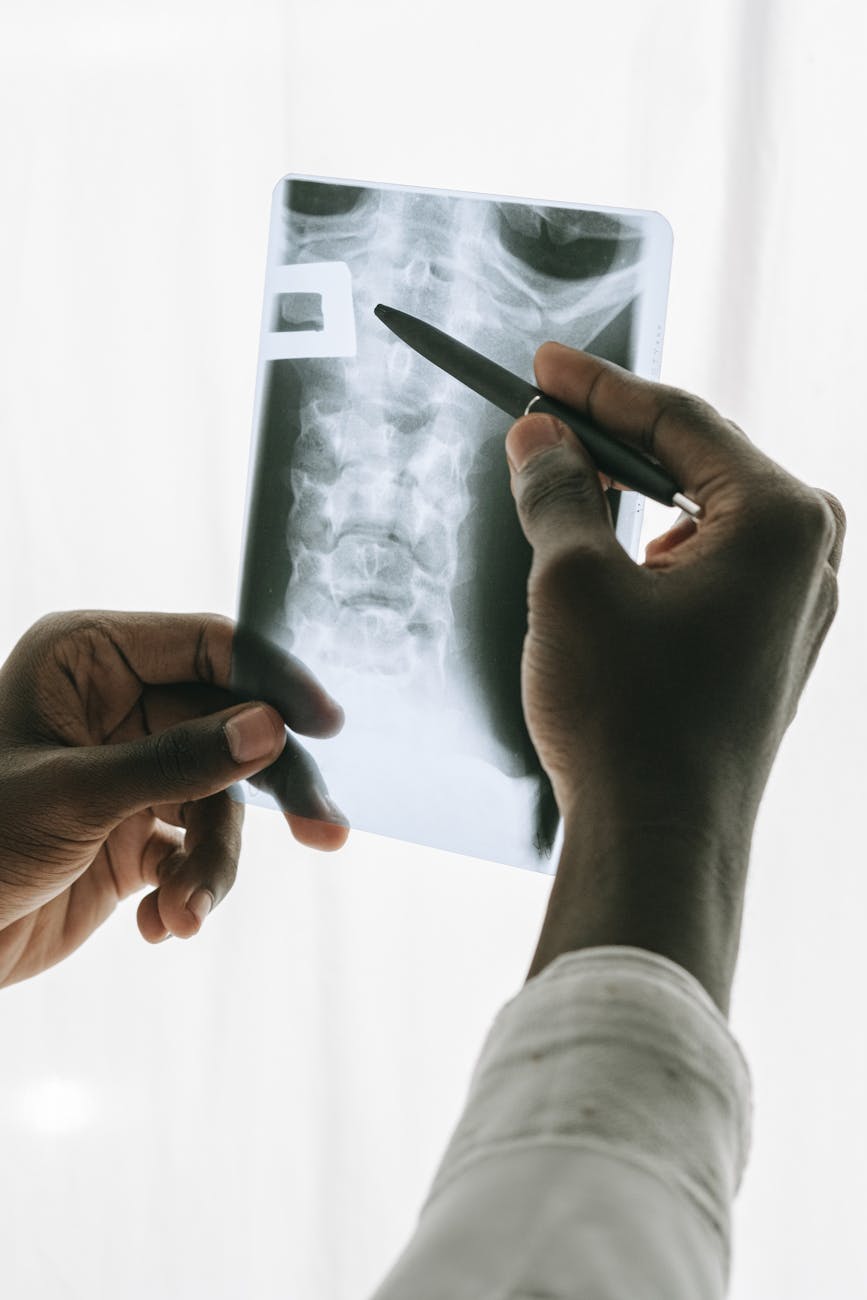
Since I entered my 50s, I’ve always wanted to do a baseline DEXA scan, which measures your bone density and test for osteopenia and osteoporosis.
Now that I’m well into in my perimenopause years, where the levels of estrogen (an important hormone to keep the bones healthy) are in various degrees of flux, I’ve become very concerned about all things surrounding my health and longevity. I had asked my gynecologist last year if it was appropriate to get a baseline bone density scan done, and she wasn’t too concerned: I was still getting my regular cycle and I wasn’t old enough for insurance to cover it yet.
After paying attention to Dr. Vonda Wright and reading The New Menopause by Dr. Mary Claire Haver , I was even more curious about my bone density levels. At my recent gynecology appointment, I decided to push a little harder to see if my doc would prescribe it now that I’m 52 and starting to feel some of those peri symptoms.
Ask and ye shall receive; I got the prescription.
Read Empowering GenX Women: Navigating Perimenopause with Expert Guidance to learn more about how this GenXer is approaching the menopausal transition.
The DEXA scan
When you get a DEXA scan, your bone density is measured in three places: the lumbar spine, the femoral neck, and the hip. These are all the places we are most concerned about breaking if we fall when we get older.
The National Institute of Arthritis and Musculoskeletal and Skin Diseases published a great informational article Bone Mineral Density Tests: What the Numbers Mean. It explains everything about the test and what it looks for. The DEXA test results give you a T-score. According to the article, if your T-score is:
- -1 or higher, your bone is healthy.
- -1 to -2.5, you have osteopenia.
- -2.5 or lower, you might have osteoporosis.
The risk of broken bones increases by 1.5 to 2 times with each 1-point drop in the T-score. Sounds scary and is something I’m trying to avoid at all costs. I do not want to be 80 and die in the hospital from taking a spill and breaking a hip. No way.
Now, there’s proof
Thankfully, everything I have come to understand about bone building is true. These are my T-score results:
- Lumbar spine: 2.2
- Femoral neck: 3.9
- Left hip: 2.4
Looking at those numbers, I feel a combination of relief and complete validation. Everything I’m doing—prioritizing healthy nutrition, lifting heavy things, flipping and staying very active—is working the way it’s supposed to.
My strategies for health and fitness
While I’m not one of those crazy gym rats who spend hours in Planet Fitness with a specific weight training regimen, I try to find as many ways to move and lift heavy things as possible, which puts the necessary stress on the bones to keep them strong. These are the things I put into practice as regularly as I can.
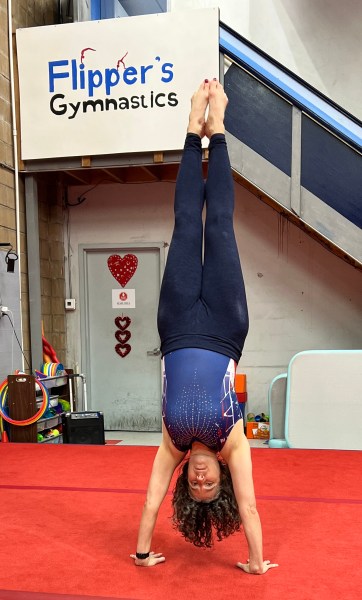
Gymnastics
I go 2-3 times a week to either teach or take class. Between the rebound activities, the vault and floor work, using the bars to improve my push/pull strength, and strength and mobility conditioning, I try to cover as many of the bases of strength as possible.
Get outside

I enjoy hiking and walking fast around the neighborhood or around the school track.
I’ll try to put in some running, but it’s not my favorite thing to do and I am also trying to save my joints, so it’s a delicate balance. Going up hills is very challenging, and helps me work the lower body strength. I also like to dig in the garden, which encourages me to squat more.
The regular gym
Once in a while, I’ll find myself in a typical gym setting.
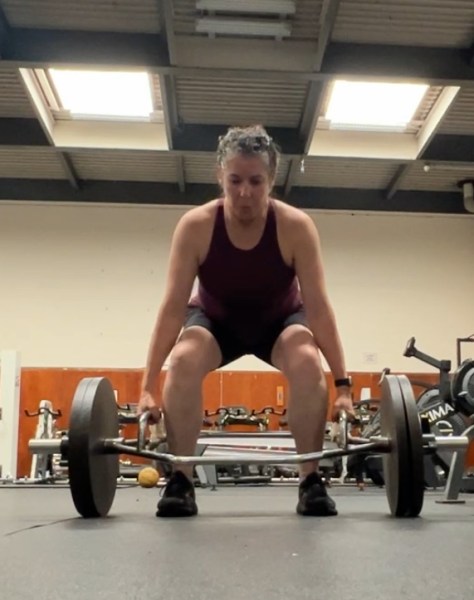
While the regular gym is not in my usual comfort zone, I know what to do when when I’m there. I can use the barbells and machines to push myself a little further and test how much I can actually lift.
Doing regular life things
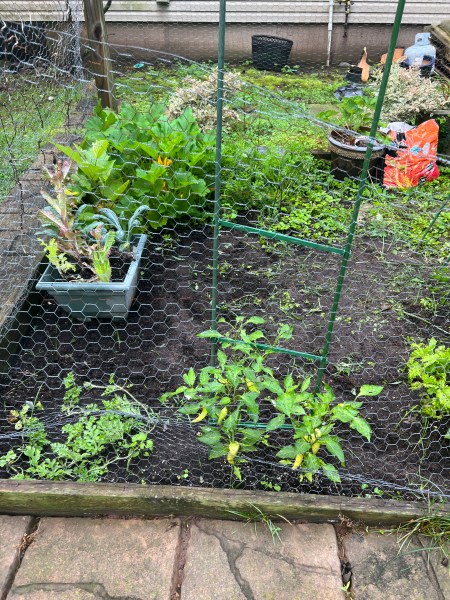
Whether at home, at the store or wherever, I think about incorporating fitness principles when I can.
Groceries? Grab as many bags as possible at once. Gardening? Carry the bags of dirt myself. Laundry? Fill the basket and carry it upstairs. Sitting on the floor? I’ll try to get up and down with no hands. In general, I practice bracing my core, distributing weight evenly, maintaining good posture and using my legs.
Mindful nutrition
I like to eat. I don’t restrict my calories, especially since I’m so active, but I am careful to make my calories count.
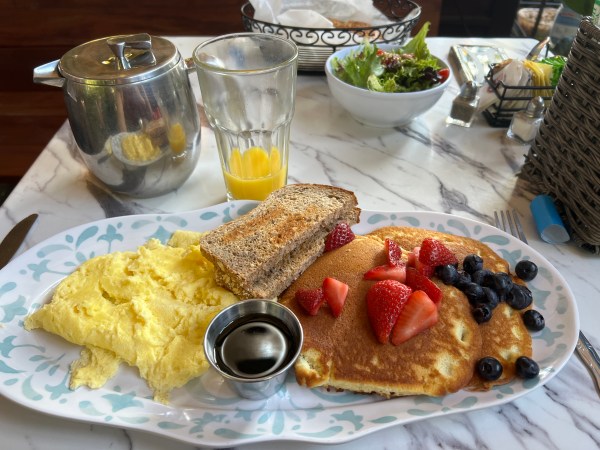
I’m not afraid of eating carbs, but I prioritize protein and fiber. I like my protein shake and piece of fruit in the morning. I’m a big nuts, seeds, fruits and veggies, soy milk gal, but I like a good burger or steak once in a while. I aim to drink 8-10 cups of water, and I enjoy a good cup or two of coffee. Sweets and alcohol are consumed in moderation, which I enjoy when I have them.
Bottom line: I read nutrition labels and make informed choices. Eating to live my best life is what’s most important to me.
Rest and recovery
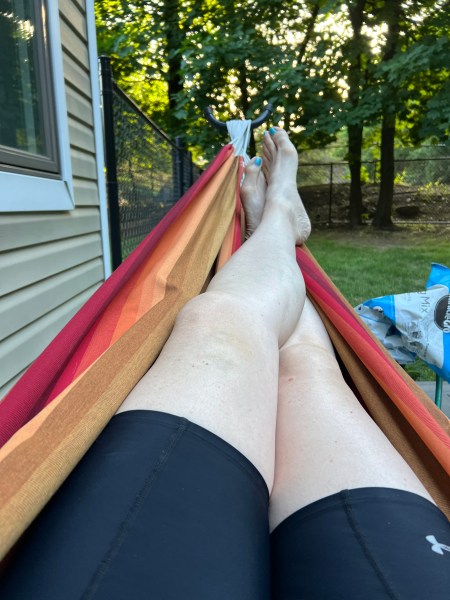
Yes, I love my hammock. I also aim for seven hours of sleep, not including naps.
When I push too hard, I feel it. Big time. I like to keep moving, but if something is too sore or my shoulder starts acting up, I know it’s time to step back. At my age, recovery takes longer and it’s really important to acknowledge that.
The bottom line
Ultimately, my long-term goal in life is to remain independent and out of assisted living for as long as possible. This DEXA scan certainly validated the choices and habits I’ve made, and I know that I am on the right path for the life I want to live, now and forever.
Follow me on Instagram, YouTube and TikTok to see all my training videos!

 Stacey's Headspace
liked it, as usual.
LikeLiked by 1 person